Trip planning4 min readReviewed
How to plan a trip on a budget
A budget trip doesn't have to feel like a compromise. The biggest savings come from a few decisions made early: when you go, where you stay and how you get around. Get those right and you can spend money on the things that matter to you. Here's a practical way to plan it.
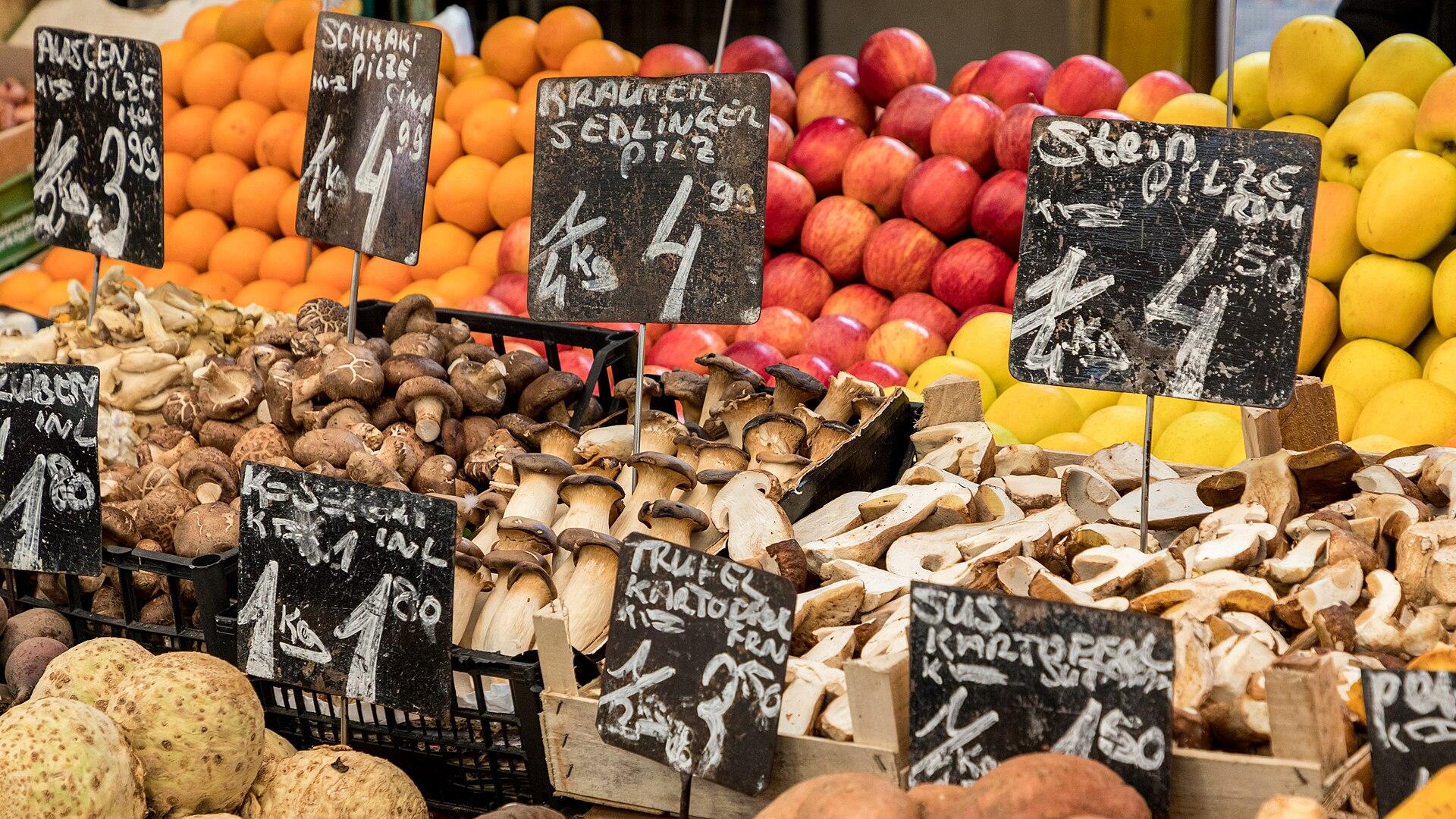
Photo: Naschmarkt, Vienna by Dietmar Rabich, CC BY-SA 4.0, via Wikimedia Commons (resized and cropped).
Start with a realistic budget
Before you choose anything, decide roughly how much you want to spend in total, then split it into the main categories: getting there, accommodation, food, local transport and activities, plus a buffer for surprises. Seeing the split makes it obvious where the big costs are and where small savings won't matter much.
Prices vary enormously between destinations and seasons, so use your budget to guide where and when you go, not just how you travel. The same money stretches much further in some places, and outside peak season, than in others.
Pick your timing carefully
When you travel affects almost every cost at once. Flights, accommodation and even some attractions are cheaper outside school holidays and peak season, and the weeks just before and after the busy period often bring good weather with fewer crowds.
Our destination guides cover the best time to visit places such as Portugal and Japan, and our cheap flight tips explain how flexible dates can lower your fare.
Save on getting there
Flights are often the biggest single cost. Compare dates and nearby airports, judge fares on the total price including bags, and travel light if you can. Our step-by-step guide on how to find cheap flights covers the method in detail.
Overland options are worth a look for shorter distances. Trains and long-distance buses can be cheaper once you add airport transfers to a flight, and they take you from city centre to city centre.
Choose accommodation wisely
Accommodation is the other big cost, and location matters as much as the nightly price. A slightly more expensive room within walking distance of the places you want to see can save money and time on transport.
Apartments or rooms with a kitchen let you make breakfast and the occasional meal yourself. Hostels with private rooms, guesthouses and smaller hotels can all be good value; read recent reviews carefully, especially comments about cleanliness, noise and the exact location.
Eat well for less
You don't have to skip good food to save money. Markets, bakeries and simple local restaurants away from the main tourist streets are often both cheaper and better. In many countries, lunch menus offer a set meal at a lower price than the same restaurant charges in the evening.
Carry a refillable water bottle where tap water is safe to drink, and keep a few snacks for days out so you're not buying whatever is nearest when hunger strikes.
Get around cheaply
Public transport is usually the best-value way to get around a city, and walking is free. Many cities offer day passes or rechargeable travel cards that work out cheaper than single tickets if you make several journeys. Grouping each day by area, as our itinerary guide explains, cuts transport costs too.
Look for free things to do: parks, viewpoints, markets, neighbourhood walks and, in some places, free museum days. Check official websites for current opening days and any booking requirements.
Avoid card and currency fees
Card fees can quietly add up. Check whether your bank charges for spending or withdrawing cash abroad, and consider a card designed for travel if it does. When a card machine or cash machine offers to charge you in your home currency, choosing the local currency is usually the better deal.
Within the EU, payments in euros to another EU country generally cost the same as domestic euro payments, and the EU publishes guidance on charges. If you're booking a package holiday, check what financial protection applies; the UK Civil Aviation Authority has advice for UK travellers.
- Ask your bank about fees for spending and withdrawals abroad
- Pay in the local currency when offered a choice
- Withdraw cash less often to reduce per-transaction fees
- Keep a small emergency fund on a separate card
Keep track as you go
A simple note on your phone with what you've spent each day keeps you honest without spoiling the trip. If you overspend one day, you can balance it with a cheaper one later. Our free trip budget calculator totals your costs per person and per day, and our AI trip planner can draft an itinerary with a budget estimate in your currency.
Draft your itinerary in minutes
Our AI trip planner turns your dates, budget and interests into a day-by-day plan you can refine. Check practical details with official sources before you travel.
Frequently asked questions
What's the biggest way to save on a trip?
Timing usually has the biggest effect, because travelling outside peak season lowers flights and accommodation at the same time. After that, where you stay and how you get there make the most difference.
Should I pay in local currency or my home currency abroad?
Choosing the local currency is usually better value. If you pick your home currency, the conversion is often done at a less favourable rate. Check your own bank's fees for foreign transactions too.
Is it cheaper to stay in an apartment or a hotel?
It depends on the destination and trip length. Apartments with a kitchen can save money on meals, especially for families and longer stays, while hotels may be better value for short city breaks.
Related articles
- Cheap flight tips: 12 practical ways to saveTwelve practical ways to pay less for flights, from travelling off-peak and packing light to open-jaw routes, price alerts and the risky tricks to avoid.
- How to find cheap flights: a step-by-step methodA practical method for finding cheaper flights: flexible dates, nearby airports, fare types, the true total cost, price alerts and when to book direct.
- How many days do you need for a trip?How to decide how long a trip should be: a simple way to count days, how many nights to spend per base and example trip lengths for city and multi-stop trips.
- Travel hacks that actually workPractical travel hacks for cheaper flights, lighter bags, smoother airports and better trips, plus the popular tricks that rarely work.
- Best AI trip planners compared: free options and what each does bestWe compared 8 free AI trip planners, from Google Gemini and ChatGPT to Mindtrip, Wanderlog and Layla: what each does well, what's free and who it suits.
- How to plan a trip, step by stepA practical, step-by-step guide to planning a trip: choosing dates and a destination, setting a budget, building an itinerary and preparing documents.
Ready-made itineraries
- Lisbon in 3 daysA three-day Lisbon itinerary covering Alfama, Baixa, Chiado and Belém, plus a day trip to Sintra, with tips for the hills, trams and timing.
- Tokyo in 5 daysA five-day Tokyo itinerary that groups the city by neighbourhood, mixes busy districts with quiet ones and includes a day trip to Kamakura or Hakone.
Destination guides
- Portugal travel guidePlan a trip to Portugal: when to visit, how many days you need, a Lisbon–Porto route, the Algarve coast, getting around by train and practical tips.
- Japan travel guidePlan a trip to Japan: the best season to visit, how many days you need, a classic Tokyo–Kyoto–Osaka route, rail travel and practical first-timer tips.
Official sources and further reading
Practical details such as entry requirements, prices, timetables and opening days change. Always confirm them with the official sources below before you travel. Last reviewed by the AIFlyTrip editorial team on .
- Money and charges when travelling in the EU (European Union (Your Europe))
- Your holiday booking: advice for passengers (UK Civil Aviation Authority)
- Air passenger rights in the EU (European Union (Your Europe))